
Most Australians look forward to the arrival of spring with its longer, warmer days. However, nearly one in four Australians experiences itchy eyes, sneezing, and runny noses.
The more technical term for hay fever is allergic rhinitis, and around 24% of Australians suffer from it. Allergic rhinitis can occur year round or perennial allergic rhinitis “ or only in spring and summer “ seasonal allergic rhinitis “. Seasonal allergic rhinitis is commonly known as hayfever Nearly one in three hay fever sufferers surveyed said it disrupts their sleep or outdoor plans, and 8.4% had taken a day off work as a result.
If you’re familiar with the battle of hay fever and allergies, this article is for you. It explains what is causing your symptoms, how to find some relief, and, most importantly, when to talk to a doctor.
Important Note: This article provides general health information and is not a substitute for professional medical advice. Always consult a qualified healthcare professional for diagnosis and treatment of any health condition.
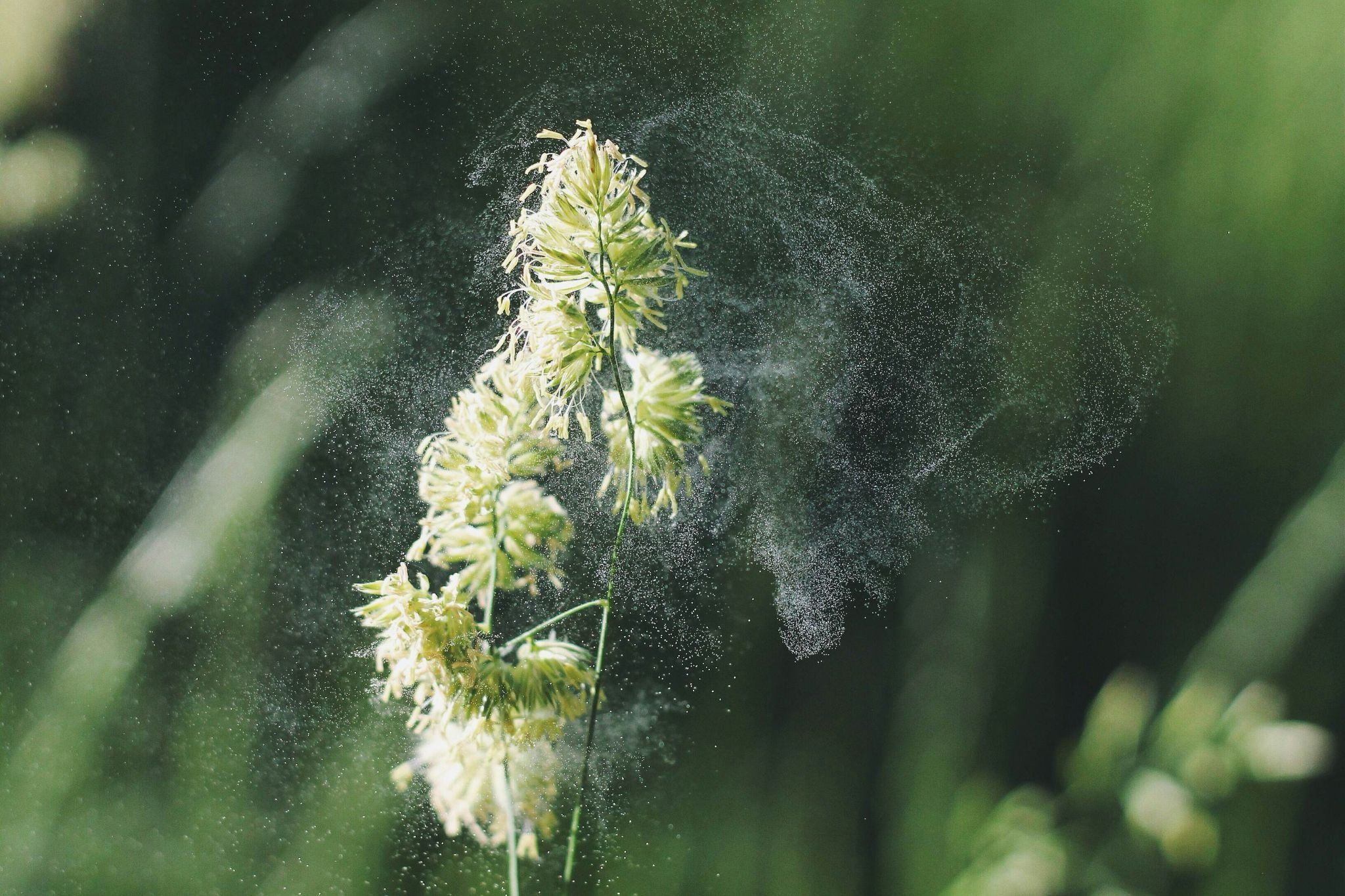
From late August, the grasses and trees found across Australia begin releasing billions of microscopic pollen grains into the air. For most people, this is harmless. However, for the roughly one in four Australians with allergic rhinitis, the immune system misidentifies pollen as a threat, triggering an immune response.
When pollen enters your airways, your body releases histamines. This is what actually causes the sneezing, the itchy, streaming eyes, and the runny nose. If the pollen count is high, these symptoms can hit in a matter of minutes.
In most parts of Australia, hay fever season starts in late August or early September, peaks through October and November, and eases by December or January.
Southern states like Victoria and South Australia tend to get the most compressed and intense seasons because they have cooler months on either side. In parts of northern Australia, where the weather remains warm, hay fever season can start much earlier and stretch well into autumn.
The main cause of hay fever is airborne pollen, and this comes from a few types of plants. The main culprits are:
Here’s an easy breakdown of what might be causing your hayfever.
Source: Australasian Society of Clinical Immunology and Allergy (ASCIA)
Many symptoms associated with hay fever can overlap with the common cold or the flu. The name ‘hay fever’ can be misleading, because it doesn’t actually cause a fever.
A cold can cause a low-grade fever, and it usually clears in about a week. The flu can cause a higher temperature that comes on relatively suddenly, and it usually returns to normal in about three to four days.
If you've been sneezing and rubbing your eyes for a prolonged period of time, but you haven’t developed a fever or other symptoms, it's almost certainly hay fever. Here’s an overall comparison of symptoms for hay fever, the cold, and the flu:
Unfortunately, there's no cure-all for seasonal allergies, but you can take some steps to reduce your discomfort.

For most people, over-the-counter antihistamines and nasal sprays are the first line of treatment. As the name suggests, antihistamines help reduce your body’s response to histamine, while corticosteroid nasal sprays reduce inflammation in the nasal passages.
It should be noted that nasal sprays work best when taken consistently throughout the season, rather than only on bad days. During allergy season, it can help to get into the habit of using it when you get up each morning.
If your symptoms don't respond to over-the-counter options after a couple of weeks, prescription-strength nasal sprays, eye drops , oral medication and/or referral to an allergist may be required to get things under control.
The good news is that you can get relief without having to take time off work to visit your GP. Through Updoc, you can book a telehealth consultation with an AHPRA-registered Partner Doctor from 6am to midnight, seven days a week. If prescription allergy treatment is appropriate, a script can be sent directly to your pharmacy. Book a telehealth appointment today.
The annual ritual of streaming eyes, sneezing, and a runny nose can be irritating, but the important thing to realise is that symptoms are almost always manageable.
Knowing what causes it, checking pollen counts, and ensuring you have the right treatments before the season hits can all help to keep things under control.
If antihistamines aren't keeping up, a Partner Doctor can assess whether prescription-strength medication options are right for you, and if referral to an allergist may be required. We're available from 6am to midnight every day. Book an online telehealth appointment with Updoc today.
Hay fever, also known as allergic rhinitis, is an allergic reaction to airborne pollen. The immune system mistakenly treats pollen as a threat and releases histamines, causing sneezing, a runny nose, nasal congestion, and itchy eyes. It affects around one in four Australians, with symptoms peaking in spring.
Hay fever can often be confused with other illnesses. Here are a few key symptoms to look out for:
These months coincide with peak grass pollen season across most of Australia. Ryegrass in particular releases very high levels of pollen during this period, and spring winds carry it far and wide. If the preceding winter was wet, expect higher pollen counts from the lush grass growth that follows.
For most Australians, hay fever season runs from late August through to January, with October and November the most intense months. In northern Australia, the season tends to start earlier and last longer, though the peak is generally less severe than in the southern states.
If you’re wondering why some seasons are much worse than others, it’s down to how much growth there is, as well as the strength of the wind during the primary months.
Generally, a wet winter will help plants grow faster during the spring, and more growth equals more pollen. Add to that a very windy September or October, and you have a perfect storm for hay fever and allergies.
Thunderstorm asthma occurs when pollen grains are swept into storm clouds, absorb moisture, and burst into fragments small enough to travel deep into the lungs, triggering a sudden asthma attack in people with or without a history of asthma. People with hay fever and perennial allergic rhinitis are most at risk. Victoria has had several serious events in recent years, and having an asthma action plan in place before storm season is worth discussing with your doctor.
Severe breathing difficulty is a medical emergency — call 000 or go to your nearest emergency department. Updoc is not an emergency service.
Important disclaimer: This information is for general knowledge and educational purposes only and does not constitute medical advice. Always consult a qualified healthcare professional, such as your regular GP or a specialist, for any health concerns or before making decisions about your health or treatment.





© Updoc - All rights reserved

